
ALMATY – Kazakhstan exceeded its national target for renewable electricity generation in 2025, marking another milestone in the country’s green energy transition. But while record output underscores the success of years of investment in wind and solar power, the figures also point to the next phase of the transition: integrating a rapidly growing share of intermittent renewable energy into the country’s electricity system.
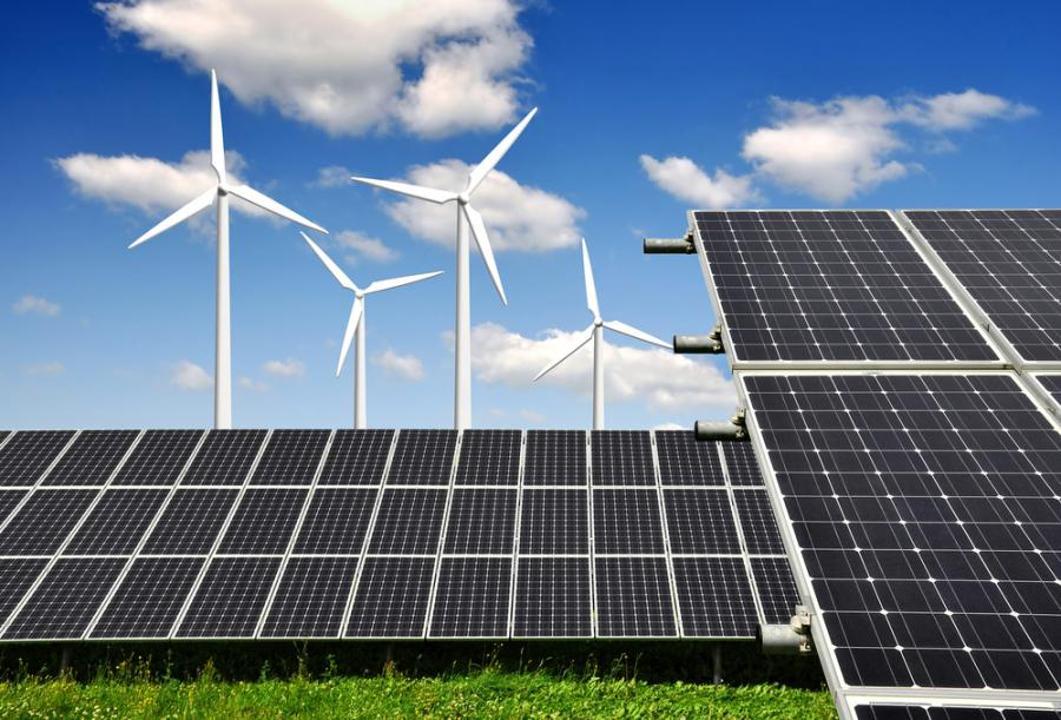
Photo credit: Ministry of Energy
According to the Kazakh Energy Ministry, renewable energy facilities generated 8.6 billion kilowatt-hours of electricity in 2025, accounting for 7% of the country’s total electricity production. Compared with 2022, when renewable generation stood at 5.11 billion kWh and represented 4.5% of the electricity mix, output has increased by more than 1.7 times, exceeding a target of increasing renewable electricity production by 1.5 times.
The ministry attributed the growth to continued government support for the sector, including renewable energy auctions, investment attraction and the commissioning of new generating facilities. In 2025 alone, Kazakhstan commissioned nine renewable energy projects with a combined capacity of 503.5 megawatts (MW). This year, authorities plan to add another 10 projects totaling 245 MW, including four wind farms, five solar power plants and one hydropower station.
Wind continues to lead renewable expansion
International data show Kazakhstan’s renewable sector continues to expand steadily, although growth remains concentrated in a limited number of technologies.
According to the International Renewable Energy Agency’s (IRENA) Renewable Capacity Statistics 2026, Kazakhstan increased its installed renewable energy capacity from 5,561 MW in 2024 to 6,084 MW in 2025.
Most of the increase came from wind power, whose installed capacity rose from 1,520 MW to 1,909 MW. Solar capacity also continued to expand, albeit at a slower pace, increasing from 1,229 MW to 1,325 MW.
Despite the growth, renewables’ share in Kazakhstan’s total electricity generation capacity increased only marginally from 22.4% to 22.8%, highlighting that expanding installed capacity alone does not immediately transform the country’s overall power system.
While Kazakhstan remains one of the region’s leading renewable energy markets, neighboring countries are also expanding clean energy deployment, reflecting growing efforts across Central Asia to diversify electricity generation and reduce dependence on fossil fuels.
Looking ahead
Kazakhstan’s immediate priority remains maintaining investment momentum. The planned commissioning of 10 additional renewable projects in 2026 will further expand generating capacity and help diversify the country’s electricity mix.
At the same time, the rapid growth of wind and solar is expected to shift attention toward broader questions of power system management, including transmission infrastructure, energy storage and grid flexibility.
Having exceeded its renewable generation target ahead of schedule, Kazakhstan’s next challenge may no longer be how quickly it can build renewable energy facilities, but how effectively it can integrate them into a stable, reliable and increasingly low-carbon electricity system.
