
ASTANA – Kazakhstan continues to operate one of the world’s most affordable toll road systems, with passenger vehicles paying an average of 207 tenge (US$0,44) per 100 kilometers on Category I highways, the country’s highest-standard roads, using prepaid accounts. According to national road operator KazAvtoZhol’s release from July 28, comparable toll roads in China, France, Japan, Russia and Türkiye cost 15 to 40 times more.
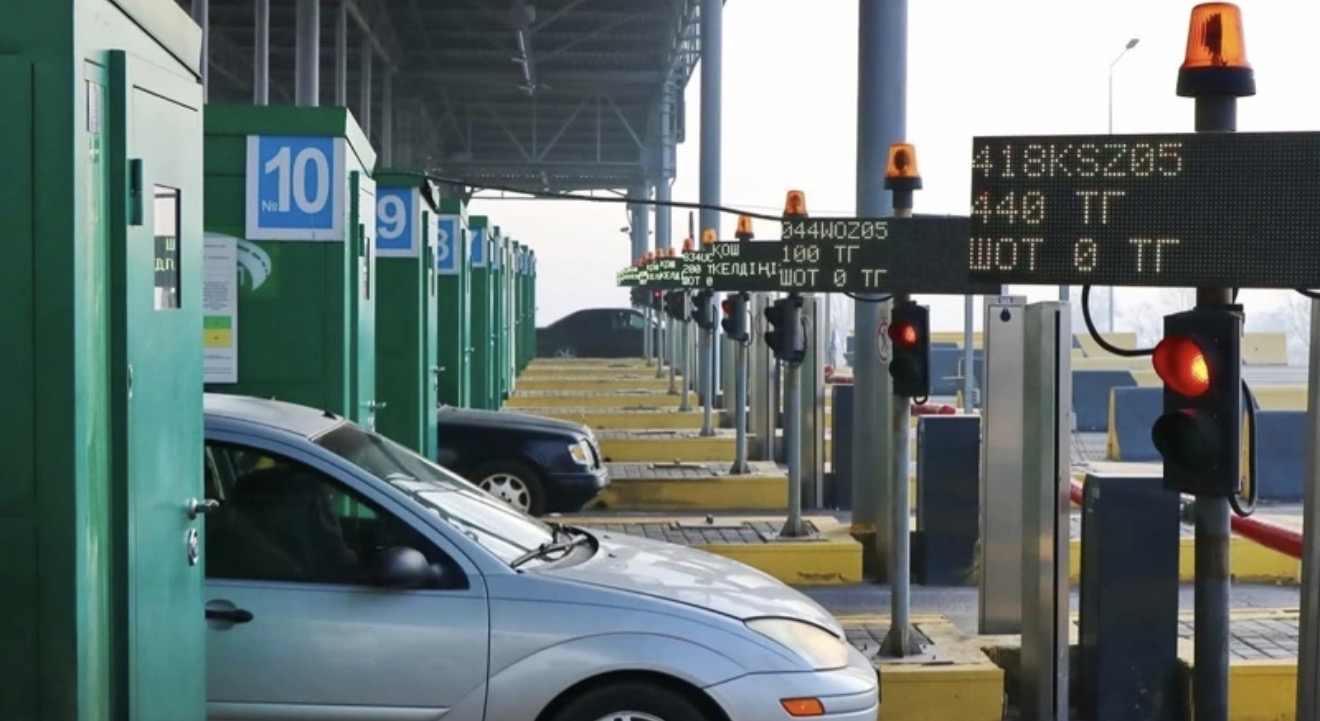
Photo credit: KazAvtoZhol
The figures raise a broader question: can Kazakhstan maintain exceptionally low tolls while financing the infrastructure needed to support its ambitions as a major Eurasian transport hub?
Affordable tolls support competitiveness
Kazakhstan’s pricing policy aligns with the country’s broader economic priorities, rather than an effort to maximize toll revenue. Low charges help reduce transport costs across the country’s vast territory and strengthen its competitiveness as a transit corridor linking China, Central Asia, the Caspian region and Europe.
Passenger vehicles pay tolls only on Kazakhstan’s highest-standard Category I highways, while commercial vehicles are charged according to their weight because of their greater impact on road wear. Tariffs are approved by the government and linked to the monthly calculation index (MCI) rather than set independently by KazAvtoZhol.
Road quality remains the bigger challenge
Low tariffs, however, do not resolve the challenge of maintaining road quality. KazAvtoZhol has acknowledged this by suspending toll collection on road sections where defects affect safety until repairs are completed. This year, this mechanism is applied to sections of 14 toll roads.
The government has invested heavily in road upgrades, with more than 34,000 kilometers repaired in 2019-2025. Today, 94% of national roads and 91% of local roads meet official standards. Yet growing public concerns show that maintaining roads across Kazakhstan’s vast territory remains a major challenge, even as infrastructure expansion continues.
Transport Minister Nurlan Sauranbayev has attributed part of the challenge to the gap between the country’s extensive 95,000-kilometer road network and available maintenance funding.
Engineering may determine long-term sustainability
Experts say the durability of Kazakhstan’s roads depends not only on funding but also on modern engineering.
Boris Asmatullayev, Doctor of Technical Sciences and science director at Kazroadinnovation, says some road designs still rely on approaches developed decades ago, despite heavier freight traffic and increasingly demanding climatic conditions. Kazakhstan’s highways experience temperature swings exceeding 100 degrees Celsius, from severe winter frosts to intense summer heat, accelerating pavement deterioration, according to Kazinform.
Kairat Mukhambetkaliyev, a senior researcher at the Kazakhstan Road Research Institute, says road construction is increasingly tailored to regional conditions through internationally recognized pavement design standards and climate-adapted materials. Updated standards and longer maintenance cycles, he argues, could improve durability while reducing long-term costs.
Alongside engineering improvements, the government is introducing digital tools to strengthen road management. At a March 3 government meeting, Prime Minister Olzhas Bektenov instructed relevant agencies to launch a unified digital platform for monitoring road conditions by the end of this year, enabling faster detection of defects and more efficient maintenance planning.
What to watch next
Kazakhstan’s low toll policy demonstrates that road infrastructure is viewed as a strategic economic asset. Keeping tariffs among the world’s lowest may strengthen domestic mobility and regional transit competitiveness, but long-term success will depend on whether engineering standards, maintenance practices and digital monitoring improve road quality as traffic volumes continue to grow.
