
Less than two years after independence, Kazakhstan made a bet that education could not wait for the economy and institutions to catch up, it would have to lead them. On Nov. 5, 1993, the government established the Bolashak International Scholarship, sending promising young citizens to top universities abroad to become specialists in a fledgling state urgently needed economists, engineers, diplomats, administrators. Knowledge, in effect, became national infrastructure, ranked alongside new laws and new ministries.
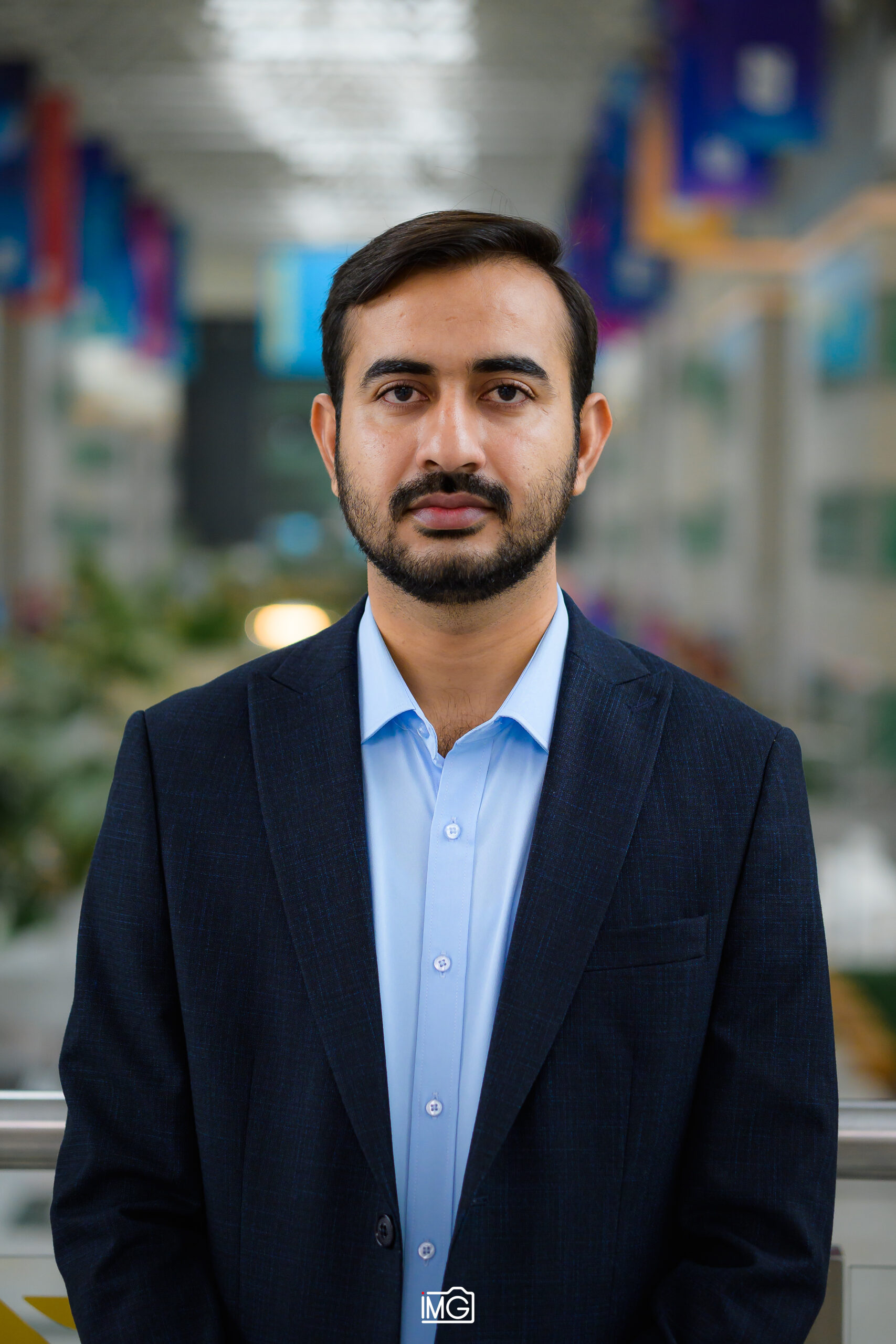
Saqib Raza.
More than 13,000 Bolashak graduates have since come home. But the sharpest test of that 30-year strategy did not happen on a foreign campus. It came in December 2023, when the OECD released the results of its 2022 PISA test, a global assessment of 15-year-olds’ skills and Kazakhstani teenagers scored below the OECD average in mathematics, reading and science alike. That gap is not a verdict on three decades of reform. It is the next milestone in the same strategy.
Betting on flagships
By the late 2000s, sending students abroad was no longer enough, Kazakhstan needed institutions at home that could operate under different rules. The Nazarbayev Intellectual Schools opened as laboratories for new curricula and assessment. In 2010, Nazarbayev University opened in Astana as an autonomous research university, and a 2011 law carved out a distinct legal framework giving both institutional autonomy and academic freedom the rest of the system did not have. That same year, Kazakhstan became the first Central Asian country to join the European Higher Education Area, aligning its degrees with the Bologna framework and opening the door to academic mobility with Europe. The strategy worked, narrowly, it let officials pilot new admissions systems, teaching methods and research practices without waiting for the whole country to move together. But it also created Kazakhstan’s central education challenge that Excellence built under exceptional conditions does not spread on its own.
Five ministers, one dilemma
The education ministry’s revolving door shows the reform agenda evolving in real time. Bakhytzhan Zhumagulov, minister from 2010 to 2013, built the new architecture. His successor, Aslan Sarinzhipov, who served until 2016, pushed university autonomy and closer ties between education and industry. Yerlan Sagadiyev, from 2016 to 2019, carried reform into ordinary classrooms, rolling out revised curricula modeled on the Intellectual Schools; by 2018, nearly three-quarters of students were learning under it. The pace showed political resolve, but also its risk that schools absorbed new curricula, assessment methods, digitalization and language policy almost simultaneously, faster than teachers could build the judgment needed to make any of it stick.
Askhat Aimagambetov, minister from 2019 to 2022, pivoted toward the people actually delivering reform. A 2019 law strengthened teachers’ legal protections, and the government launched a four-year plan to double teacher salaries. After a decade spent rewriting what teachers were expected to do, Kazakhstan finally addressed the conditions they did it under.
The scoreboard
PISA 2022 measured how much of that work remains: 50% of Kazakh students reached basic proficiency in mathematics, against a 69% OECD average; 36% in reading, against 74%; 55% in science, against 76%.
The 2022 split of the old Education and Science Ministry into schools and vocational training in one ministry, science and higher education under Sayasat Nurbek in another that closed that first reform era. In three decades, Kazakhstan built an internationally recognized scholarship brand, autonomous flagship institutions and stronger legal protections for teachers faster than it built the everyday classroom capacity to match them.
Kazakhstan is now positioning itself to become a regional higher education hub, an ambition that builds on this same lesson that carrying what already works at Nazarbayev University and the Intellectual Schools into ordinary schools far from the capital. Kazakhstan has spent 30 years proving it can build excellence. The next chapter is carrying that excellence nationwide.
The author is Saqib Raza, a PhD scholar in education and an MSc graduate in Educational Leadership in Higher Education from Nazarbayev University Graduate School of Education, Kazakhstan.
Disclaimer: The views and opinions expressed in this article are those of the author and do not necessarily reflect the position of The Astana Times.
